
We ask exactly whose voices are being heard in the cacophony of commentators, pundits, scholars, practitioners, activists and educators and explore what ‘new media’ means in creating or holding back social and political change.
Communication Mixdown emphasizes inclusiveness and diversity, giving space to progressive opinion and analysis that can get side-lined, swamped or entirely ignored by mainstream media reportage and commentary. We tackle the ‘big picture’ issues, investigating how communication could be more inclusive and diverse across a whole range of communication/media industries.
Communication Mixdown values alternative voices, and we look at how social media is connecting a vast range of ordinary people, cutting across the social parameters of class, gender, race, ethnicity, age, and nation. This process of ‘democratization’ of communication and media is a central feature of the show.
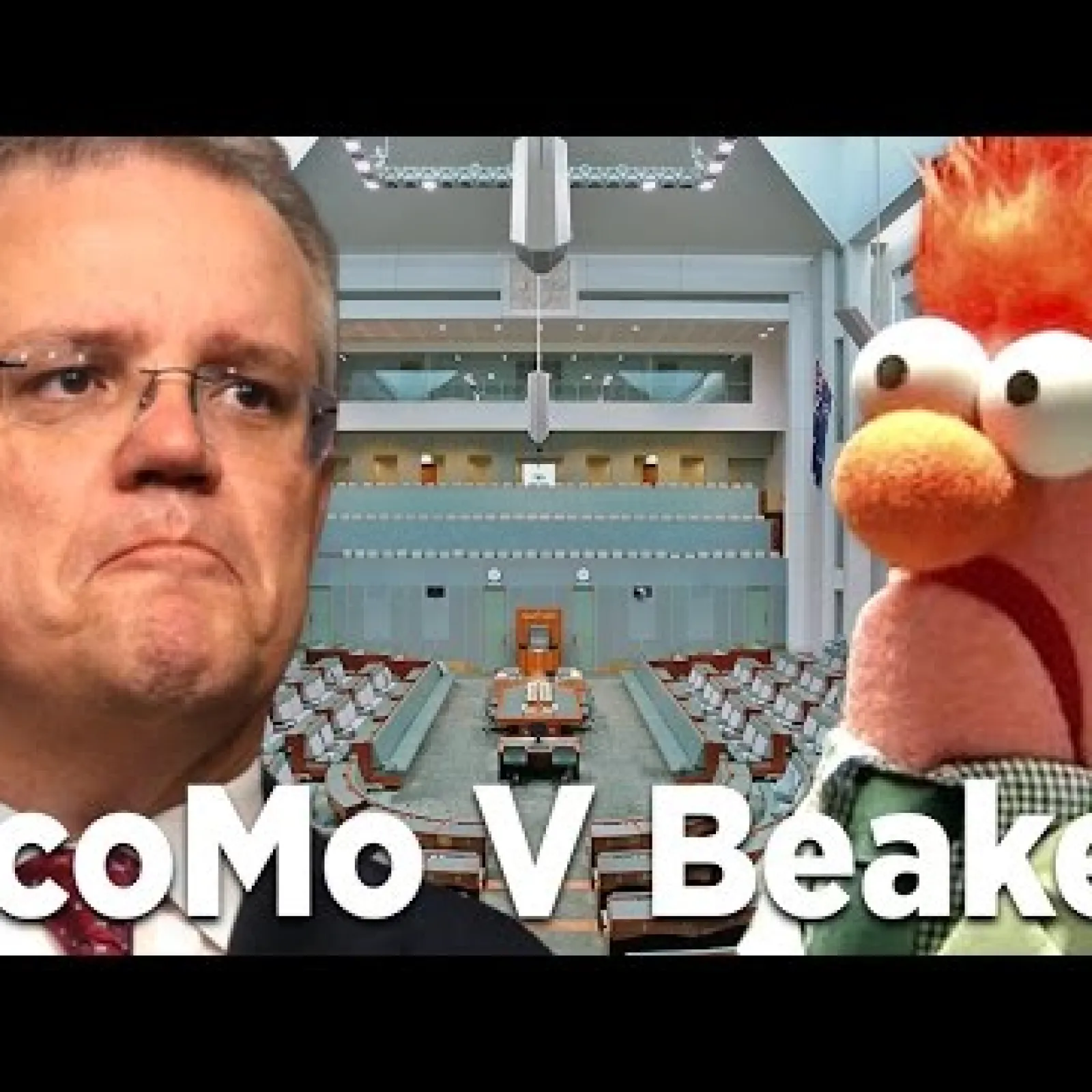
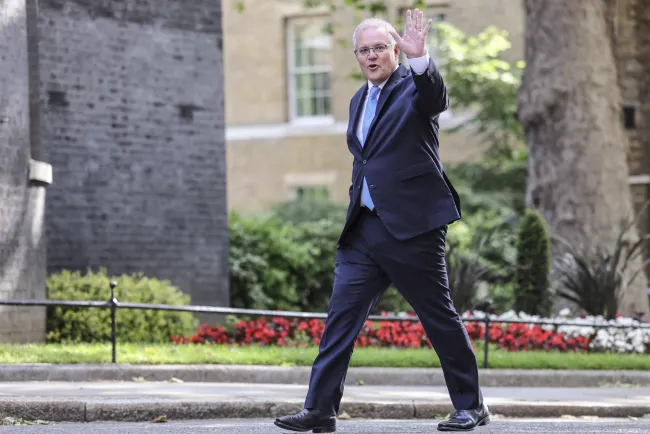
In the middle of April, Australia’s prime minister Scott Morrison attended a national Australian Christian Churches Conference in the Gold Coast. A video of his speech was broadcast by Vineyard Church and distributed by the Rationalist Society soon afterwards, leading to public discussions about the separation of church and state in Australia.
In his speech, Scott Morrison revealed, among other things, that he is often secretly praying and described social media misuse as the work of ‘the evil one’. It’s worth noting that Morrison is the first Pentecostal prime minister Australia has had.
Discussing the role of religion in Australian politics with me -- in the order you will hear from them -- are Joanne Cruickshank, Tanya Levin and Wendy Mayer.
Dr Joanne Cruickshank is a historian of Christianity in Britain and Australia, from the 18th century onwards, at Deakin University. She now works on religion and race, particularly the role of Christianity in Australia in relation to Aboriginal missions.
Tanya Levin grew up in the church known as Hillsong and the author of the 2007 book People in Glass Houses: An Insiders Story of a Life in and out of Hillsong, which was re-released in 2015. The book outlines her story growing up in the church as well as other experiences and some theory about what takes place in Hillsong and how it became what it is with its focus on money, celebrities and music.
Wendy Mayer is a professor of Christianity, with a specialisation in early Christianity and particularly social history but also in contemporary religious violence and radicalisation. She is at associate dean for research at the Australian Lutheran College.