We ask exactly whose voices are being heard in the cacophony of commentators, pundits, scholars, practitioners, activists and educators and explore what ‘new media’ means in creating or holding back social and political change.
Communication Mixdown emphasizes inclusiveness and diversity, giving space to progressive opinion and analysis that can get side-lined, swamped or entirely ignored by mainstream media reportage and commentary. We tackle the ‘big picture’ issues, investigating how communication could be more inclusive and diverse across a whole range of communication/media industries.
Communication Mixdown values alternative voices, and we look at how social media is connecting a vast range of ordinary people, cutting across the social parameters of class, gender, race, ethnicity, age, and nation. This process of ‘democratization’ of communication and media is a central feature of the show.
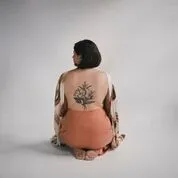
With the Immigration Museum in Melbourne hosting a suite of three exhibitions covering traditional Japanese and Polynesian as well as modern tattoos, this week we turn our attention to the meanings and functions of this artform. With guests Fareed Kaviani, a doctoral candidate and freelance writer who has published extensively on tattoos and tattooing, and whose website the4thwall features, among other things, photos of tattoos and Stanislava Pinchuk, who curated the Documenting the Body exhibition at the Immigration Museum, we discuss why people get tattooed as well as what, if anything, people are saying with their tattoos.