We ask exactly whose voices are being heard in the cacophony of commentators, pundits, scholars, practitioners, activists and educators and explore what ‘new media’ means in creating or holding back social and political change.
Communication Mixdown emphasizes inclusiveness and diversity, giving space to progressive opinion and analysis that can get side-lined, swamped or entirely ignored by mainstream media reportage and commentary. We tackle the ‘big picture’ issues, investigating how communication could be more inclusive and diverse across a whole range of communication/media industries.
Communication Mixdown values alternative voices, and we look at how social media is connecting a vast range of ordinary people, cutting across the social parameters of class, gender, race, ethnicity, age, and nation. This process of ‘democratization’ of communication and media is a central feature of the show.
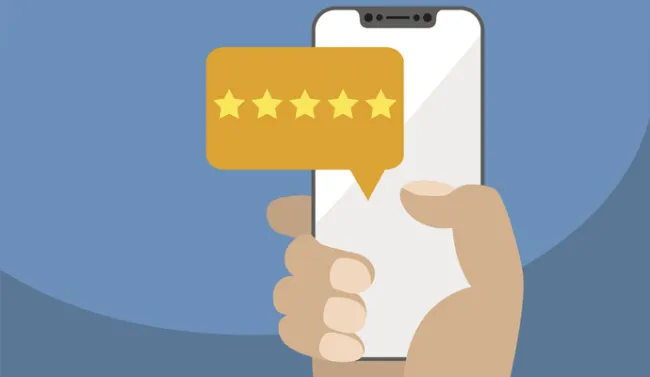
Consumer reviews online have become hugely influential on our decisions when it comes making all kinds of purchases. So, it’s not surprising to find a whole industry pumping out fake reviews. Marketing and consumer psychology researcher at the University of Technology Sydney, Adrian Camilleri talks about how to negotiate this minefield of misinformation. And the use of online information has extended to health advice. Rachael Dunlop from in the Faculty of Medicine and Health Sciences at Macquarie University and the Institute for Ethnomedicine, Jackson Hole, Wyoming explains.