We ask exactly whose voices are being heard in the cacophony of commentators, pundits, scholars, practitioners, activists and educators and explore what ‘new media’ means in creating or holding back social and political change.
Communication Mixdown emphasizes inclusiveness and diversity, giving space to progressive opinion and analysis that can get side-lined, swamped or entirely ignored by mainstream media reportage and commentary. We tackle the ‘big picture’ issues, investigating how communication could be more inclusive and diverse across a whole range of communication/media industries.
Communication Mixdown values alternative voices, and we look at how social media is connecting a vast range of ordinary people, cutting across the social parameters of class, gender, race, ethnicity, age, and nation. This process of ‘democratization’ of communication and media is a central feature of the show.
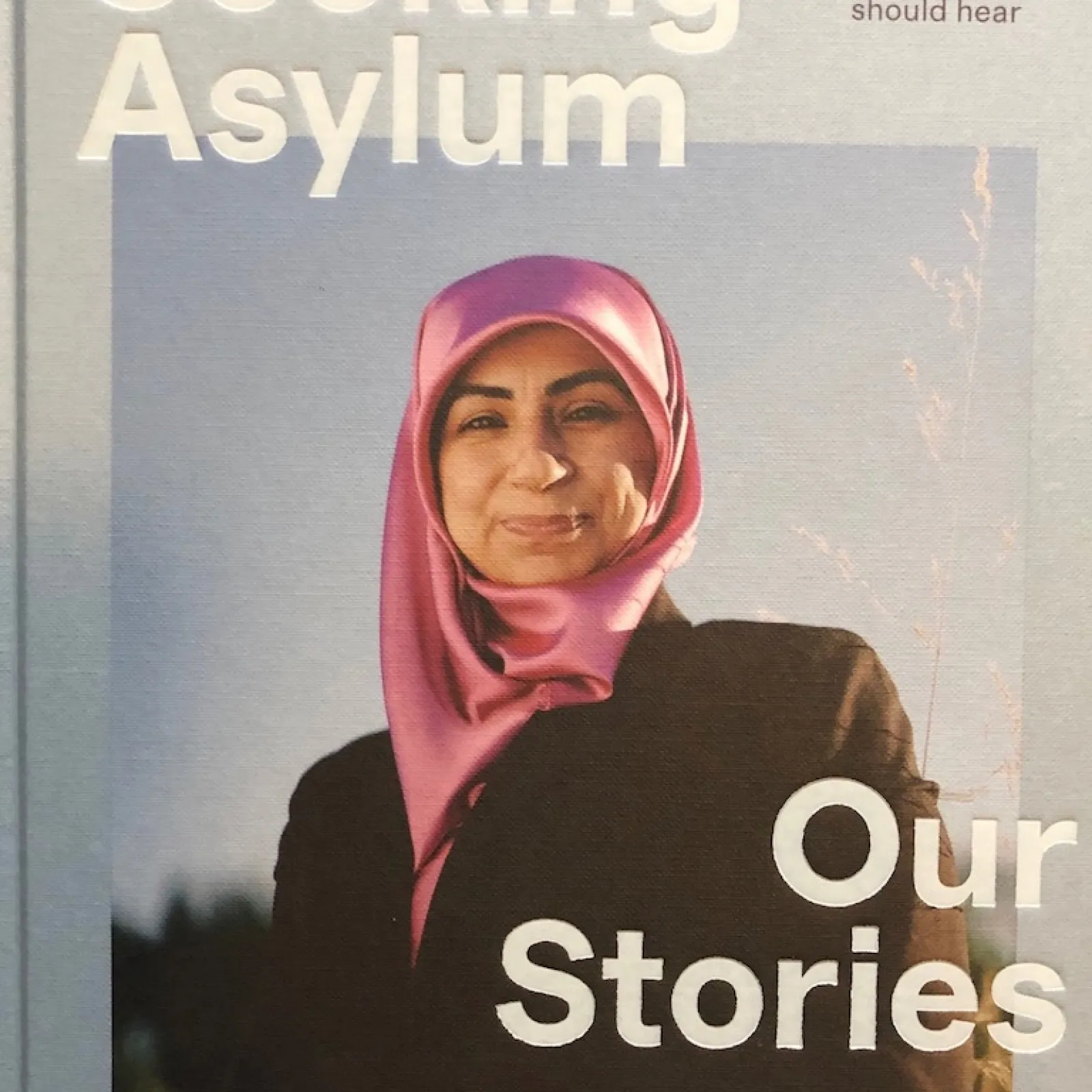
What happens in the communication exchange when refugees confront government officials face to face as they apply for asylum in Australia? With a extensive background in the area of refugee law, barrister Douglas McDonald-Norman explains the complex and multi-layered communication environment that operates during 'refugee status determination' interviews.
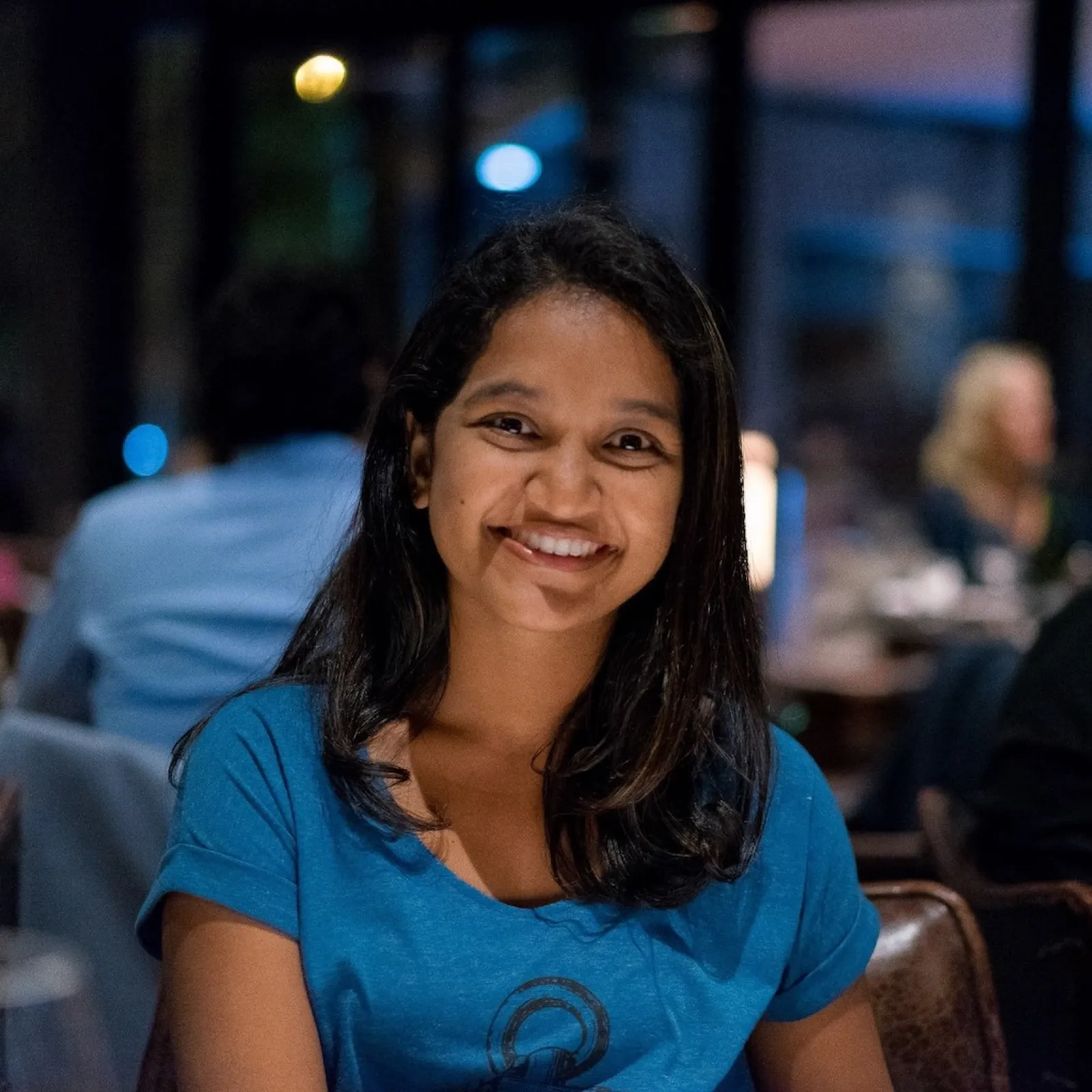
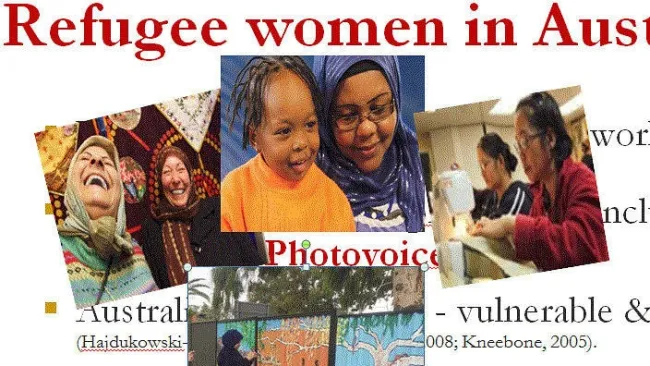
The world of photography can empower women refugees to find resilience and develop a sense of social agency and self-worth in the process of resettlement. Professor of International Health at Curtin University in Western Australia, Jaya Dantas explains the photovoice project.