We ask exactly whose voices are being heard in the cacophony of commentators, pundits, scholars, practitioners, activists and educators and explore what ‘new media’ means in creating or holding back social and political change.
Communication Mixdown emphasizes inclusiveness and diversity, giving space to progressive opinion and analysis that can get side-lined, swamped or entirely ignored by mainstream media reportage and commentary. We tackle the ‘big picture’ issues, investigating how communication could be more inclusive and diverse across a whole range of communication/media industries.
Communication Mixdown values alternative voices, and we look at how social media is connecting a vast range of ordinary people, cutting across the social parameters of class, gender, race, ethnicity, age, and nation. This process of ‘democratization’ of communication and media is a central feature of the show.
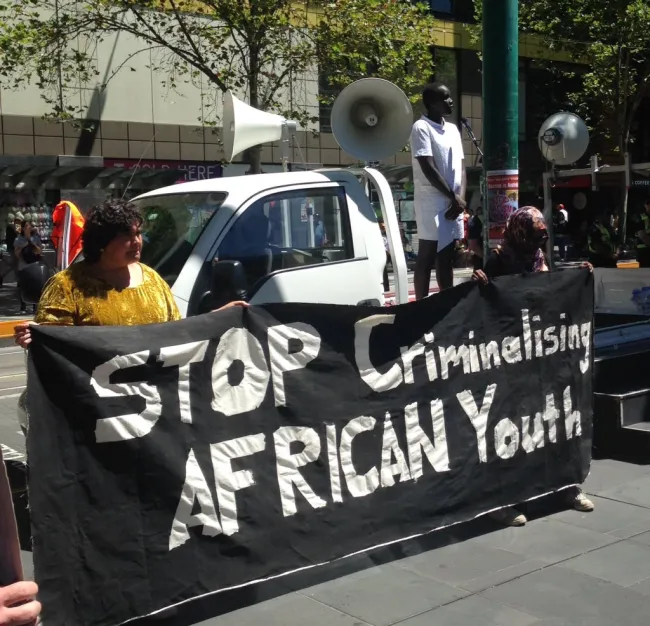
This week we unpack the summer media coverage of so-called African gang crisis in Melbourne. Benjamin Millar, senior journalist with Star Weekly and The Age, also a resident of Melbourne’s western suburbs, talks about hot-button issues, racism and the ethics of reporting. Then lawyer Maker Mayek, a member of the south Sudanese community, explains the reasons behind his #AfricanGangs social media campaign.