
We ask exactly whose voices are being heard in the cacophony of commentators, pundits, scholars, practitioners, activists and educators and explore what ‘new media’ means in creating or holding back social and political change.
Communication Mixdown emphasizes inclusiveness and diversity, giving space to progressive opinion and analysis that can get side-lined, swamped or entirely ignored by mainstream media reportage and commentary. We tackle the ‘big picture’ issues, investigating how communication could be more inclusive and diverse across a whole range of communication/media industries.
Communication Mixdown values alternative voices, and we look at how social media is connecting a vast range of ordinary people, cutting across the social parameters of class, gender, race, ethnicity, age, and nation. This process of ‘democratization’ of communication and media is a central feature of the show.
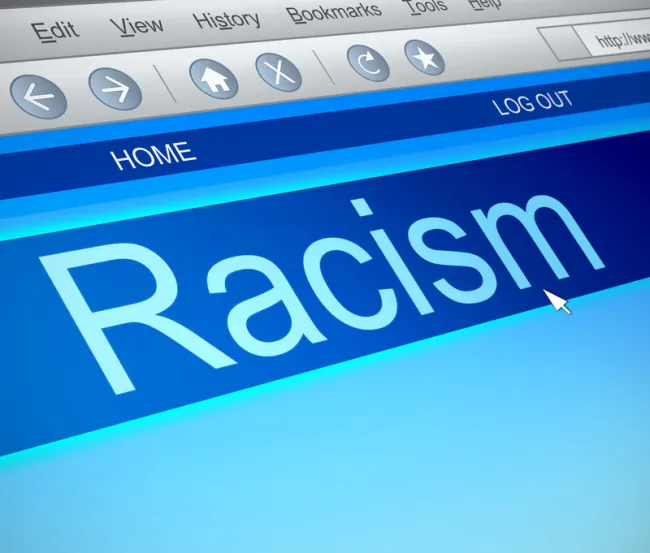
The growth of online racism marks a dark and destructive historical moment in the global evolution of social media. This week, Nasya Bahfen from the Department of Communication and Media at La Trobe University talks about the ways that racism manifests itself online and how targeted communities organize to build resilience and fight back.
A recently published book based on research done in Australia - 'Cyber Racism and Community Resilience: Strategies for Combating Online Race Hate' - throws the spotlight squarely on these issues. Nasya Bahfen is one of the contributors.