We ask exactly whose voices are being heard in the cacophony of commentators, pundits, scholars, practitioners, activists and educators and explore what ‘new media’ means in creating or holding back social and political change.
Communication Mixdown emphasizes inclusiveness and diversity, giving space to progressive opinion and analysis that can get side-lined, swamped or entirely ignored by mainstream media reportage and commentary. We tackle the ‘big picture’ issues, investigating how communication could be more inclusive and diverse across a whole range of communication/media industries.
Communication Mixdown values alternative voices, and we look at how social media is connecting a vast range of ordinary people, cutting across the social parameters of class, gender, race, ethnicity, age, and nation. This process of ‘democratization’ of communication and media is a central feature of the show.
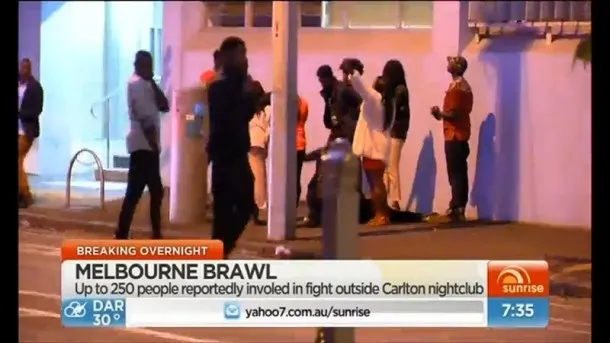
As far back as 2009, the Australian Human Rights Commission reported that the media’s coverage of African-Australians was often negative, critical, and frequently misleading. The situation since then has not markedly improved, especially when the mainstream commercial media are involved.
This week we hear about the AuSud media project which worked with members of the Sudanese community in Melbourne to find practical ways to counter these negative portrayals.
Media and communications scholar David Nolan from the University of Melbourne talks about the background and development of the project, and Sudanese-Australian musician and storyteller Ajak Kwai explains how negative media reporting affects community self-confidence and self-worth.