CLIMATE ACTION RADIO SHOW
DECEMBER 1ST 2025
PRODUCED BY VIVIEN LANGFORD
RUNA KHAN WINS EARTHSHOT PRIZE
THE HOLISTIC WORK OF "FRIENDSHIP" AND ITS MANGROVE RESTORATION IS RECOGNISED IN RIO
This show is dedicated to the memory of the late Dr Saleemul Huq, Bangladeshi climate scientist, friend of this radio show and determined participant in every COP.
Guests:
Runa Khan Founder of Friendship NGO
Shamikh Badra - Palestinian Filmaker and speaker at a Rising Tide event in Sydney
https://www.theguardian.com/world/2025/nov/28/palestinian-australian-ass...
Rising Tide Speakers and audience at the Green Left Office.
This show follows on our reporting from the Belem COP. Runa Khan attended that meeting in Brazil after receiving her one million pound prize from Earthshot in Rio. We hope that the methods demonstrated by Friendship in Bangladesh will be a model for other communities on flood prone deltas.
"From its beginnings as a single floating hospital, Friendship has grown into a dedicated social purpose organisation. Today, it reaches more than 7.5 million people annually with healthcare services, provides over 8.3 million days of emergency food support, and gives more than 80,000 people access to safe drinking water in coastal areas." Now they are restoring mangroves which help fix the climate. Runa's values shine through in her description of restoring dignity to refugees from Myanmar.
Meanwhile, the UN has described the violent displacement of Rohyngya people who are still fleeing to Bagladesh as genocide. Is there is a connection between the ample fossil fuels in Rakhine state and the genocide occuring there?
It's not a great leap to our second guest , Mr Shamikh Badra who describes the suffering of his Palestinian relatives in Gaza. As winter comes on their tents are awash with sewerage. He sees ecocide as well as genocide and like the Rohyngya they are being displaced from a territory whose offshore oil and gas are coveted.
The Gaza Marine Story - by Michael Barron shows how " recognition of Palestine, particularly by states with large oil firms registered in their jurisdiction, would effectively end the legal ambiguity, and provide the PA with not only a new secure source of income, but regular supplies of energy independent of Israel."
The Guardian article by Patrick Wintour Diplomatic editor 20th July 2025
The Earthshot Prize
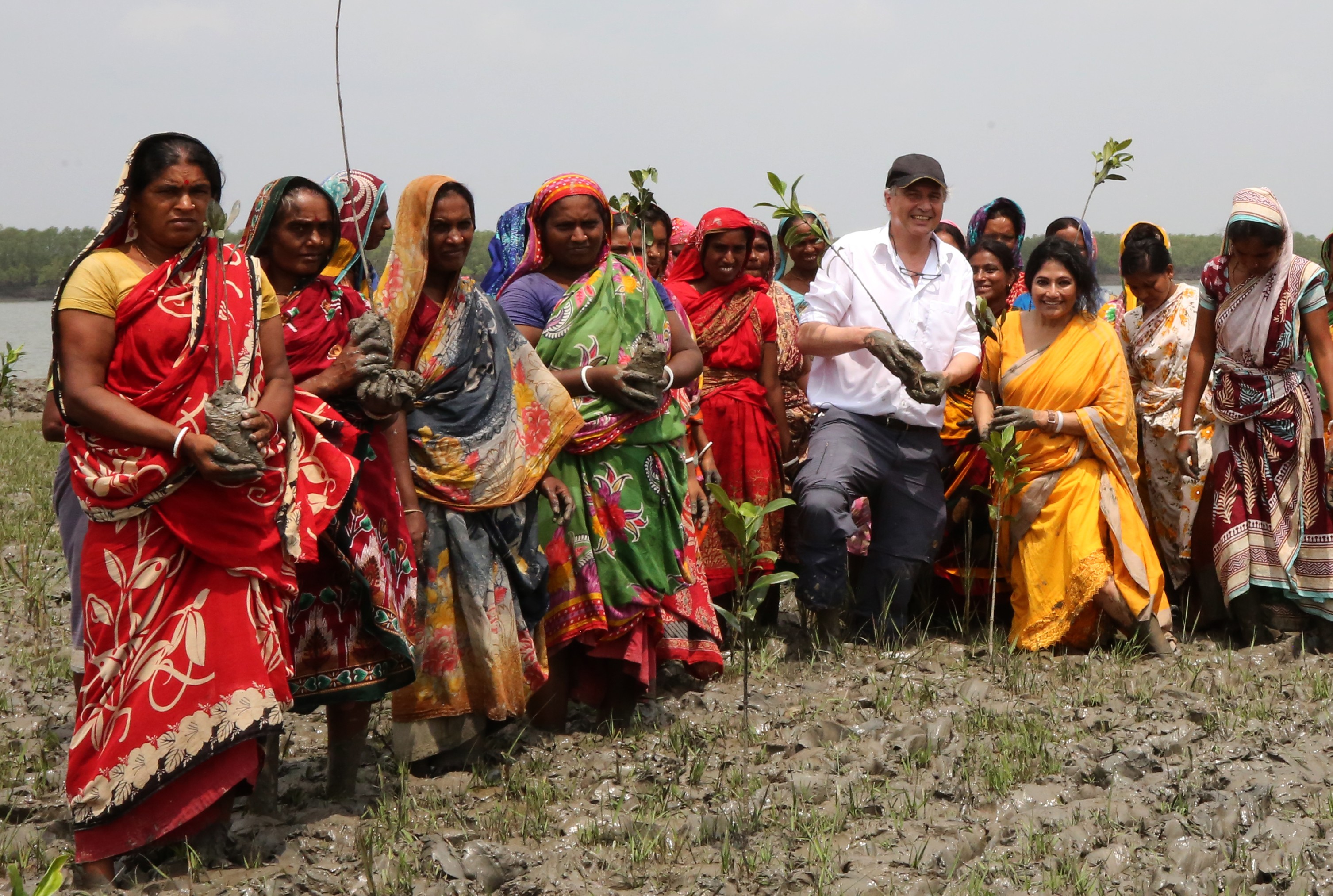
For over two decades, Friendship has worked in some of the most climate-vulnerable regions of Bangladesh — from the shifting river islands in the north to the cyclone-prone coastal belt and the mangrove forests of the Sundarbans. Our mission has always been guided by an integrated, human-centred approach that links the environment with social and economic development, through scalable, replicable, nature-based and locally-led development solutions.
From dismantlable, relocatable schools, to solar villages, to floating hospitals, raised plinths, each of Friendship’s many interventions works in congruence with the other. Friendship’s mangrove afforestation programme — recognised under the Earthshot Prize — is the largest privately led initiative of its kind in Bangladesh. It combines nature-based and locally led adaptation to create climate and livelihood resilience. To date, the programme has planted over 650,000 trees across more than 200 hectares of mangroves, prepared an additional 120 hectares for future planting, and safeguarded 62 kilometres of vulnerable shoreline. Beyond environmental restoration, the initiative supports community livelihoods, strengthens coastal protection, and builds lasting ownership through participatory management.
The mangrove forests shield villages from the worst impacts of deadly cyclones. The Sundarbans on Bangladesh’s southern coast are sunject to terrible cyclones. In 2007 Cyclone Sidr killed over 3400people. By 2020 when Cyclone Amphan hit, with wind speeds of similar velocity (240km per hour!) only 109 lives were lost. This is due to the excellent early warning systems and community organisation.
Now by restoring the mangrove forests they are protecting over 125,000 people to date. These mangrove forests also act as a major carbon sink, storing vast amounts of carbon and enabling communities to benefit from a “blue economy” future.

Climate Action Collective