
We ask exactly whose voices are being heard in the cacophony of commentators, pundits, scholars, practitioners, activists and educators and explore what ‘new media’ means in creating or holding back social and political change.
Communication Mixdown emphasizes inclusiveness and diversity, giving space to progressive opinion and analysis that can get side-lined, swamped or entirely ignored by mainstream media reportage and commentary. We tackle the ‘big picture’ issues, investigating how communication could be more inclusive and diverse across a whole range of communication/media industries.
Communication Mixdown values alternative voices, and we look at how social media is connecting a vast range of ordinary people, cutting across the social parameters of class, gender, race, ethnicity, age, and nation. This process of ‘democratization’ of communication and media is a central feature of the show.
(Image: Angie/Flickr)
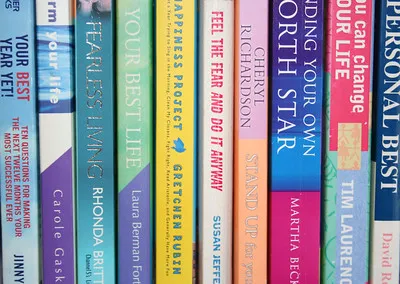
Books that offer readers the chance to try to change their lives or selves for the better seem to be proliferating. Given their prevalence, it’s likely you or someone you know has bought or borrowed from a library some kind of self-help book. And maybe it’s even helped solve whatever problem you or they were struggling with.
But do self-help books really help? Can they do harm? And are they really increasing in number like they seem to be to me? Professor of Psychology at the University of Melbourne, Nick Haslam and philosopher Damon Young discuss whether self-help can actually help.