We ask exactly whose voices are being heard in the cacophony of commentators, pundits, scholars, practitioners, activists and educators and explore what ‘new media’ means in creating or holding back social and political change.
Communication Mixdown emphasizes inclusiveness and diversity, giving space to progressive opinion and analysis that can get side-lined, swamped or entirely ignored by mainstream media reportage and commentary. We tackle the ‘big picture’ issues, investigating how communication could be more inclusive and diverse across a whole range of communication/media industries.
Communication Mixdown values alternative voices, and we look at how social media is connecting a vast range of ordinary people, cutting across the social parameters of class, gender, race, ethnicity, age, and nation. This process of ‘democratization’ of communication and media is a central feature of the show.
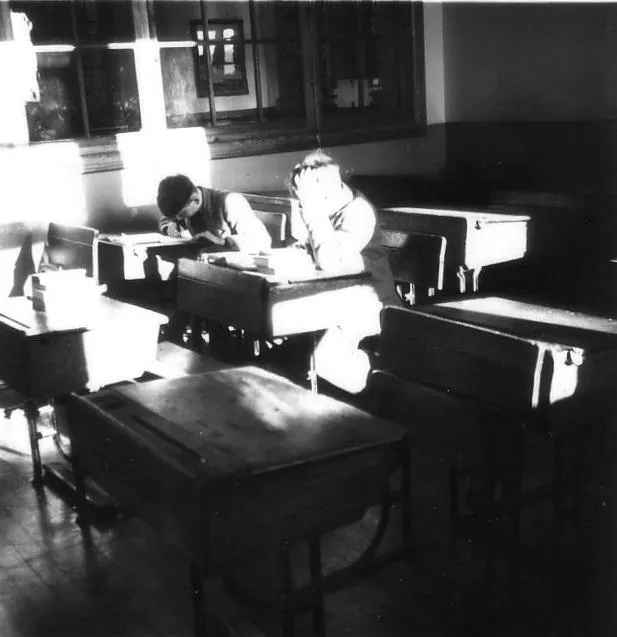
This year marks 50 years since Brazilian educator and philosopher Paulo Freire’s most influential work, Pedagogy of the Oppressed was published in English. A foundational work of critical pedagogy, Freire’s book argues against the traditional model of education which treats students as if they are empty vessels and call for teachers and learners to be co-creators of knowledge. Fifty years later, what Freire calls the banking model of education persists, so does Pedagogy of the Oppressed still have something to teach us?
Reema Rattan discusses the enduring legacy of Freire's work with Andrés Donoso Romo, a Chilean researcher whose work focuses on Latin American education history, student movements and educational thought, and Robert Austin, honorary associate of the department of history at the University of Sydney, with Robert translating for Andrés.