We ask exactly whose voices are being heard in the cacophony of commentators, pundits, scholars, practitioners, activists and educators and explore what ‘new media’ means in creating or holding back social and political change.
Communication Mixdown emphasizes inclusiveness and diversity, giving space to progressive opinion and analysis that can get side-lined, swamped or entirely ignored by mainstream media reportage and commentary. We tackle the ‘big picture’ issues, investigating how communication could be more inclusive and diverse across a whole range of communication/media industries.
Communication Mixdown values alternative voices, and we look at how social media is connecting a vast range of ordinary people, cutting across the social parameters of class, gender, race, ethnicity, age, and nation. This process of ‘democratization’ of communication and media is a central feature of the show.
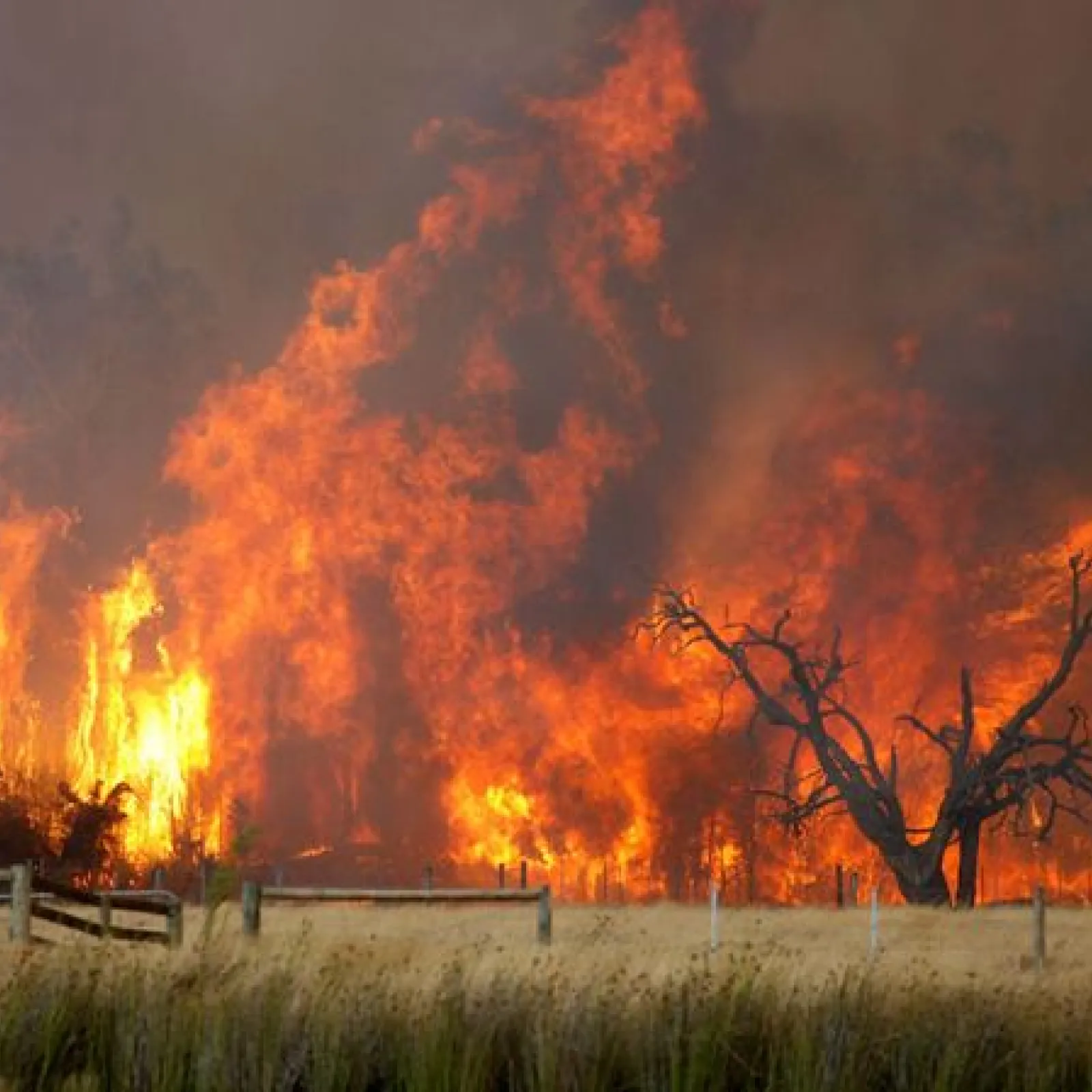
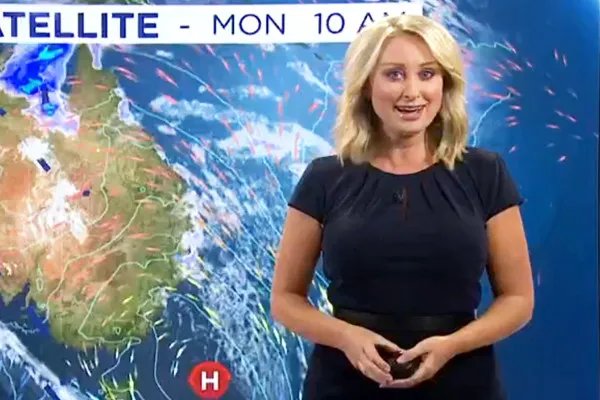
Campaigners and activists are still congratulating themselves for the massive success of the global Strike 4 Climate. Despite the adulation, a poll taken in Australia mere days before the protest found that 65% of respondents were unaware that the climate strike was taking place. And only 6% of respondents said that they would take part. So how do you get more people to care about the climate emergency? Media watcher and Crikey correspondent, Christopher Warren talks about the professional responsibility of journalists in climate coverage, and David Holmes, Director of the Climate Change Communication Research Hub at Monash University explains how weather presenters are being mobilized to convey scientific climate information to television audiences.